Ultrasound in Rutherford
Real, one-on-one physical therapy in Rutherford that treats the cause of your pain, not just the symptom, and gets you back to moving without limits.
What Is Ultrasound Therapy?
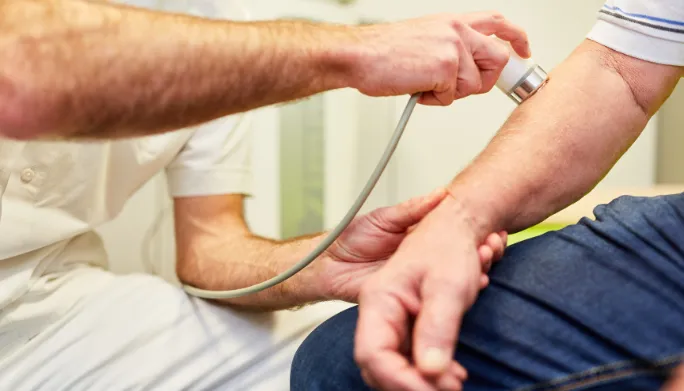
Therapeutic ultrasound uses a handheld device that sends high-frequency sound waves into the soft tissue beneath your skin. As the waves pass through, they generate a deep, gentle heat that reaches well below the surface, further than a heating pad or ice pack can reach on their own. That heat increases local blood flow to the treated area, which is exactly what tight, guarded, or scarred tissue often needs before it can be worked loose and moved through comfortably.
On its own, that warmth doesn't resolve anything for good. Think of it as a warm-up act for the tissue, not the main event of your visit. What it does is prepare the area, softening it and making it more receptive, so the manual therapy and movement that follow can do more with less resistance and less discomfort. We use ultrasound as a supporting modality within a session, paired with hands-on treatment and exercise, never as a stand-alone treatment. It comes up most often for tendinitis, bursitis, muscle strains, and areas of scar tissue that need to loosen before mobility work can begin.
Who it's for.
Ultrasound isn't the right tool for every complaint, and we never use it by itself. It earns its place in a session when tissue is tight, inflamed, or scarred enough that going straight into hands-on work would be harder on you than it needs to be. If any of this sounds familiar, ultrasound may be part of what we recommend after your evaluation.
Tendinitis or Bursitis
An inflamed tendon or an irritated bursa often sits deep enough, and guards itself enough, that manual work alone can feel harsh going in cold. A few minutes of ultrasound first warms the area and increases blood flow to it, so the hands-on treatment and mobility work that follows meets less resistance and gets further in the same visit.
Scar Tissue That Needs to Soften
Scar tissue from a past surgery, a sprain, or an old injury can stay dense and inflexible long after the original wound has closed. The deep heat from ultrasound softens that tissue from below the surface, making it easier for your therapist to work loose with manual techniques and easier for you to move through once treatment is done.
Muscle Strains That Have Stalled
A strained muscle needs fresh blood flow to keep healing, and it needs to be gradually reloaded once it can handle it. When progress has stalled, ultrasound increases circulation to the area, which helps the tissue respond better to the manual work and progressive exercise that actually rebuild its strength over the following visits.
What to expect in a session.
No two sessions look identical, but if ultrasound is part of your plan of care after evaluation, here's how it typically fits into a visit, alongside everything else on the schedule.
Evaluation and Decision
Your therapist checks how the area has responded since your last visit before deciding whether ultrasound belongs in that day's session. It gets used when tissue is tight, guarded, or slow to respond to manual work on its own, not as an automatic step on a checklist.
Ultrasound Paired With Hands-On Treatment
The ultrasound head moves slowly and continuously over the area for several minutes, with a conductive gel helping the sound waves transmit evenly into the tissue. It never stays in one spot, which keeps the heat gentle and spread evenly below the surface. While the tissue is still warm and pliable, your therapist moves directly into manual therapy, targeting the restriction the ultrasound just helped loosen.
Exercise and Progression
The session finishes with guided movement and exercise that put the mobility you just gained to use. Ultrasound helps open the door, but the strength and the lasting change come from the manual work and the exercise you do during and between visits, not from the ultrasound by itself.
Expect ultrasound to feel like a mild, deep warmth spreading under the skin, never a jolt or a burn, and tell your therapist right away if it feels uncomfortable. Because it's a supporting step and not the main event, most of your visit is still spent in hands-on treatment and movement, which is where the lasting change actually happens. Let your therapist decide when it's the right tool for that day's session.
The staff at RPT is wonderful, starting with Cathy, the office manager that always greets you with a smile and the therapists that LISTEN to what your issues are and work one on one to improve your quality of life.
Where to go next.
Manual Therapy
Skilled hands-on techniques to release restrictions and restore movement where you need it most.
Sports Rehab
Return-to-play programs built around your sport, your position, and your timeline.
Back Pain & Sciatica
The most common reason people find us. We treat the cause of the pain, not just the symptom.