Spine Therapy in Rutherford
Real, one-on-one physical therapy in Rutherford that treats the cause of your pain, not just the symptom, and gets you back to moving without limits.
What Is Spine Therapy?
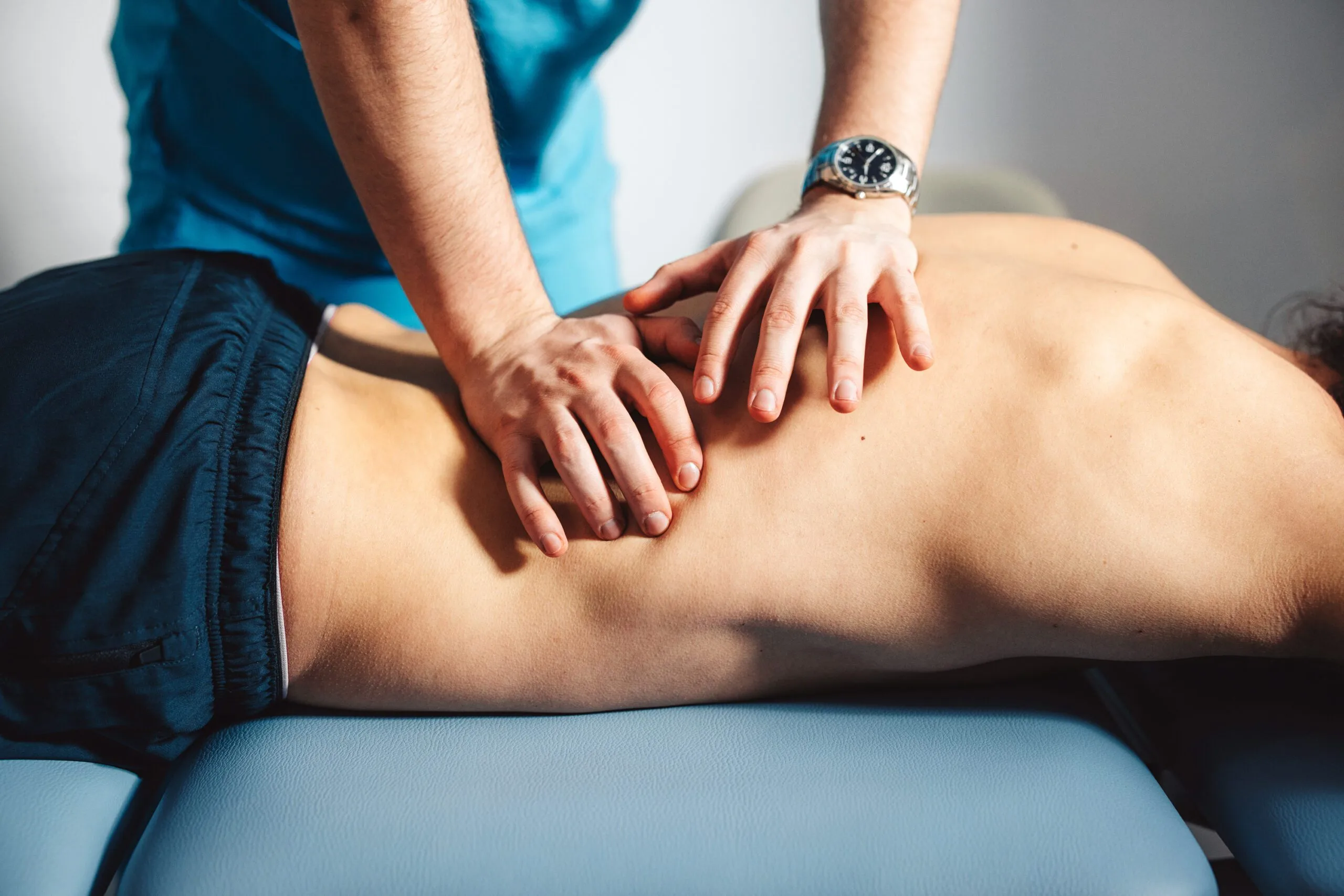
Spine therapy looks at your entire spine, cervical, thoracic, and lumbar, instead of treating whichever section happens to hurt today. Neck stiffness, mid-back tightness, and low back pain often trace back to the same root problem: a segment of your spine that has lost its normal movement, or a posture pattern that has quietly loaded one area for years until it finally broke down. We evaluate disc-related pain, spinal stenosis, degenerative changes, and recovery after spinal surgery with the same starting question, what is actually happening at the joint and how did it get here, and we build your plan from that answer instead of a generic script.
Treatment combines hands-on manual therapy to reduce pain and restore joint mobility with exercise that trains your spine to hold up under real load, not just in the clinic. We use directional-preference movement, in the McKenzie tradition, to find the specific positions and motions that centralize and calm your symptoms instead of aggravating them. From there we layer in core and spinal stabilization work and postural retraining, so the relief holds up during the sitting, lifting, and standing that make up your actual day, not just a session.
Who it's for.
Spine therapy is for anyone whose neck, mid-back, or low back is dictating how they sit, sleep, work, or move, whether the cause is a disc issue, spinal stenosis, a surgery you are recovering from, or years of posture that finally caught up with you. If rest and medication have not fixed it and the pain keeps returning, an evaluation of your whole spine, not just the painful spot, is the next real step. These are the people who come to us.
Neck and mid-back pain from posture and desk work
Hours hunched over a laptop or a phone add up faster than most people realize. Your neck rounds forward, your mid-back stiffens, and headaches or a nagging ache between the shoulder blades become part of your normal day. We restore mobility to the joints that have locked up, then retrain the posture and workstation habits that put them there in the first place.
Disc-related pain or spinal stenosis symptoms
Pain that runs down an arm or leg, numbness, tingling, or a back that feels worse standing than sitting, or the other way around, often points to a disc or narrowing issue somewhere in your spine. We identify the specific direction of movement that eases your symptoms, whether that means bending forward, extending backward, or something else entirely, and build your program around what your spine actually responds to.
Recovering after spinal surgery
A fusion, a discectomy, or a laminectomy leaves you cleared for therapy but far from strong, and far from confident in your own back again. We work within your surgeon's guidelines and timeline to rebuild the mobility, strength, and confidence you need to sit, stand, and move without bracing for reinjury every time you bend.
What to expect in a session.
Spine care is not one-size-fits-all, and it should not feel like it. Here is how a typical plan builds, from your first evaluation through the work that keeps your results in place long after you are discharged.
Whole-spine evaluation
We assess your cervical, thoracic, and lumbar spine together, along with the posture, work setup, and daily habits feeding your pain, to find exactly which segment is the actual problem and which direction of movement helps it, rather than guessing based on where it currently hurts.
Hands-on treatment and directional movement
Manual therapy loosens the joints and soft tissue holding you back, paired with directional-preference exercise that centralizes and reduces your pain in the moment. This is movement chosen specifically because it calms your symptoms, not generic stretching that could aggravate them further.
Core stabilization and postural retraining
You build the deep core and spinal stability that protect your neck and back long after treatment ends, along with the sitting, lifting, and standing habits that keep the same problem from creeping back in months from now. This is the phase that makes the improvement permanent instead of temporary.
If certain positions already ease your pain, standing instead of sitting, or bending backward instead of forward, mention it at your first visit. That one detail helps us find your directional preference faster and speeds up the whole plan.
My experience at Rutherford Physical Therapy was really amazing. I've received wonderful help from John, Cathy, and the entire staff and attended physical therapy for about 8 months and saw great improvement the entire time.
Where to go next.
Manual Therapy
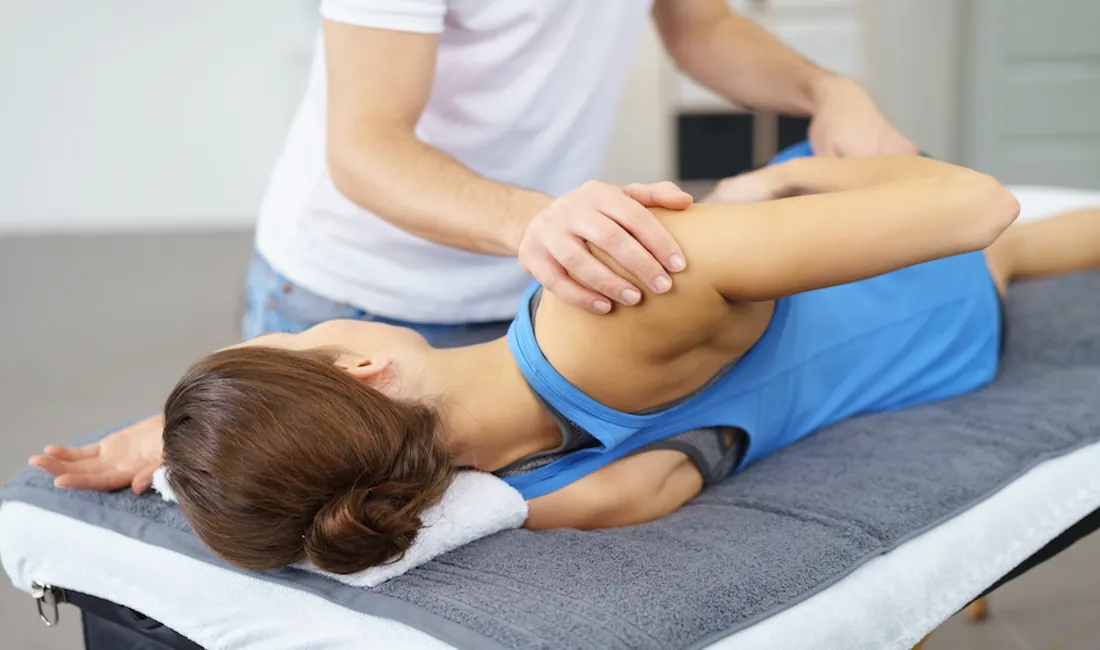
Skilled hands-on techniques to release restrictions and restore movement where you need it most.
Sports Rehab
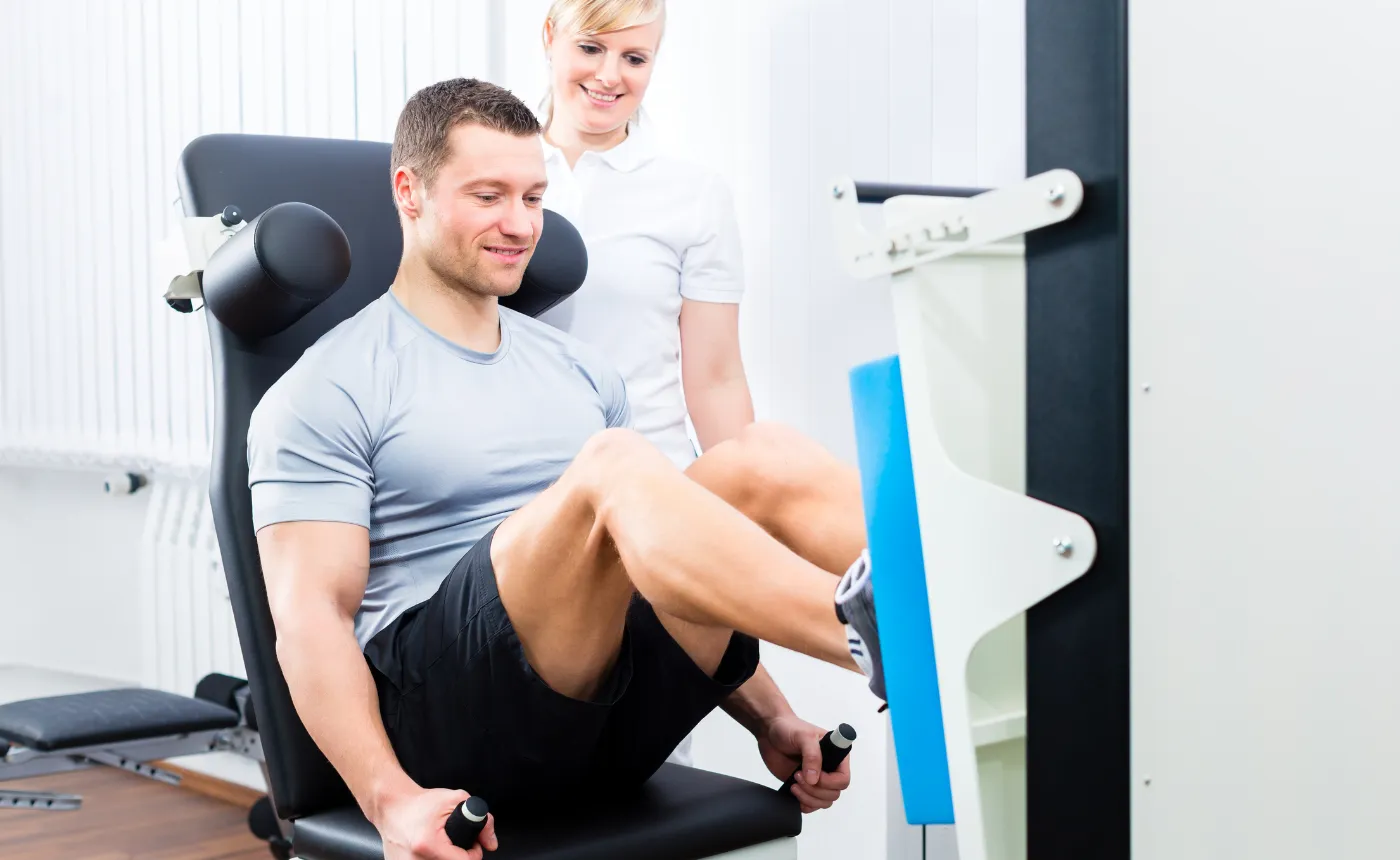
Return-to-play programs built around your sport, your position, and your timeline.
Back Pain & Sciatica
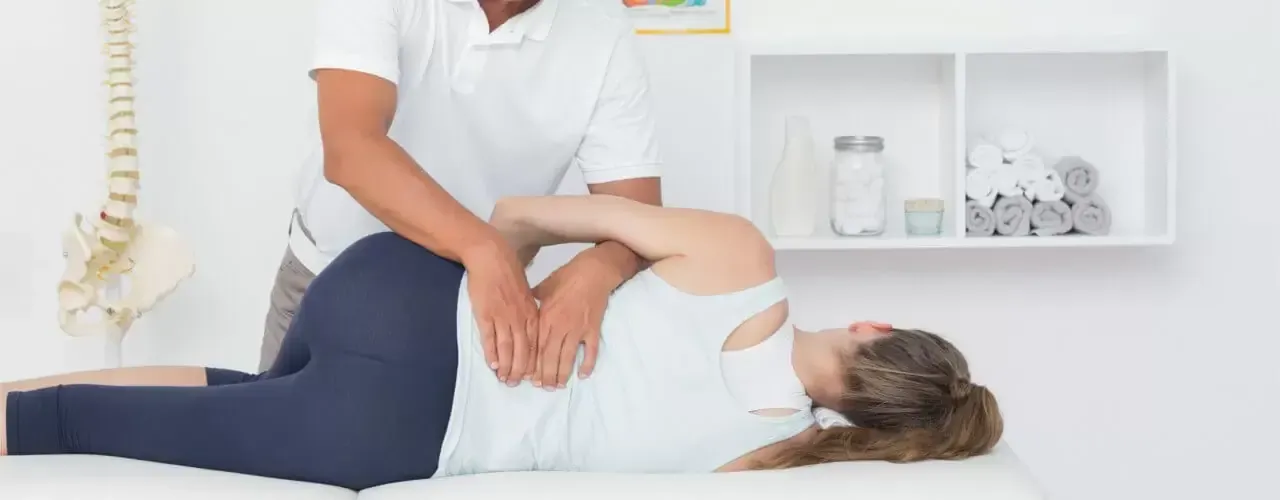
The most common reason people find us. We treat the cause of the pain, not just the symptom.