Active Release Technique in Rutherford
Real, one-on-one physical therapy in Rutherford that treats the cause of your pain, not just the symptom, and gets you back to moving without limits.

What Is Active Release Technique?
Active Release Technique, or ART, is a patented, hands-on treatment for the adhesions and scar tissue that build up in muscle, tendon, fascia, and even nerve tissue after an injury or months of repetitive strain. Unlike a passive stretch or a standard massage, ART pairs precise pressure from your therapist's hands with movement you actively drive through the restricted area. Your therapist locates the exact spot where tissue has stopped gliding properly, holds tension there, and guides you through a specific motion while you do the moving. It's commonly used for repetitive strain injuries like tennis elbow, carpal-tunnel-type nerve symptoms, IT band problems, plantar fasciitis, and other overuse injuries that build up from the same motion repeated over and over.
That combination, targeted pressure plus active movement, is what separates ART from a typical soft-tissue technique, and it's why performing it correctly requires certification beyond a standard PT license. One of our therapists holds that ART certification, so you're getting the technique performed the way it was designed, not a rough approximation of it. We also pair ART with strengthening work once the restriction is cleared, because releasing an adhesion is only half the job, the tissue around it still needs to hold up under real load.
Who it's for.
You've probably already tried resting it, stretching it, icing it, maybe even a round of generic massage, and the same tightness or pain keeps coming back the moment you get busy again. That's usually a sign the problem isn't a muscle that just needs to loosen up, it's an adhesion binding tissue together that only responds to a technique built to find it and release it directly. Here's who typically ends up in our office looking for ART.
A repetitive strain injury that won't quit
Tennis elbow, golfer's elbow, or a similar overuse tendon injury that built up gradually from the same motion done over and over, at work, at the gym, or on the court, and hasn't responded to rest, ice, or a brace no matter how long you give it.
Nerve symptoms without a clear cause
Tingling, numbness, or weakness in the hand or arm that feels like it's coming from a nerve, but scans and tests came back clean. Often the nerve itself is fine, it's soft tissue pressing on it somewhere along its path that needs to be released.
An overuse injury tied to one movement pattern
IT band pain that flares every time you run, or plantar fasciitis that's worse with every step in the morning. These build up from repeated load in one direction and need a technique that addresses the actual restriction, not just rest until it temporarily quiets down.
What to expect in a session.
Here's how a session actually breaks down when the treatment is ART, from the first minute to the plan you leave with.
Pinpointing the exact restriction
Before any treatment happens, your therapist tests the affected muscle, tendon, or nerve through its full range of motion by hand, feeling for exactly where the tissue catches, tightens, or fails to glide the way it should. ART lives and dies on precision, so this step matters as much as the treatment itself, and it's what separates it from a generic rubdown.
Hands-on pressure, active movement
Your therapist applies tension at that exact spot with their hands while you actively move the area through the restricted range yourself. That combination, their pressure and your movement, is what physically breaks up the adhesion, rather than just working around it. It's more involved than a passive stretch and more direct than a standard massage.
Strengthening what you just freed up
Releasing a restriction doesn't mean much if the muscle around it is still weak or the movement pattern that caused it in the first place hasn't changed. We follow ART treatment with targeted strengthening so the mobility you gained actually holds, instead of the same adhesion re-forming in a few weeks once you go back to normal activity.
ART can be uncomfortable in the moment, especially directly over the restriction, but it should never feel like sharp pain. Mild soreness for a day afterward, similar to a deep massage, is normal and expected. Sharp or lasting pain is not, so tell your therapist right away if that happens so we can adjust.
I also had an excellent experience with my physical therapist Oscar. He demonstrated a high level of professionalism and expertise, clearly explaining each step of his treatment plan.
Where to go next.
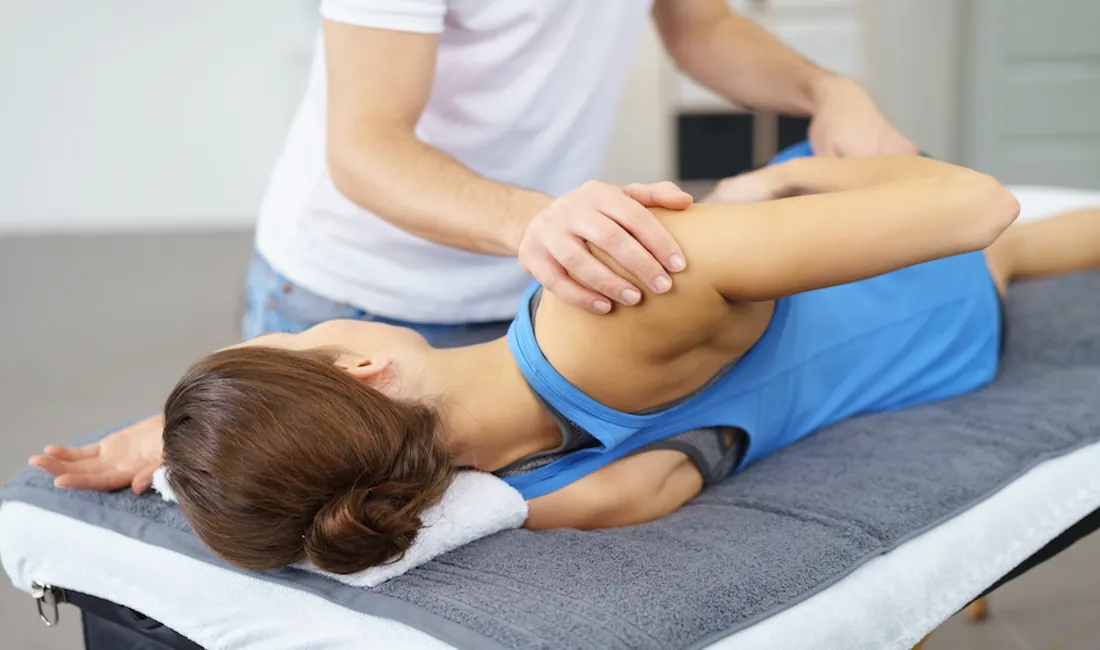
Manual Therapy
Skilled hands-on techniques to release restrictions and restore movement where you need it most.
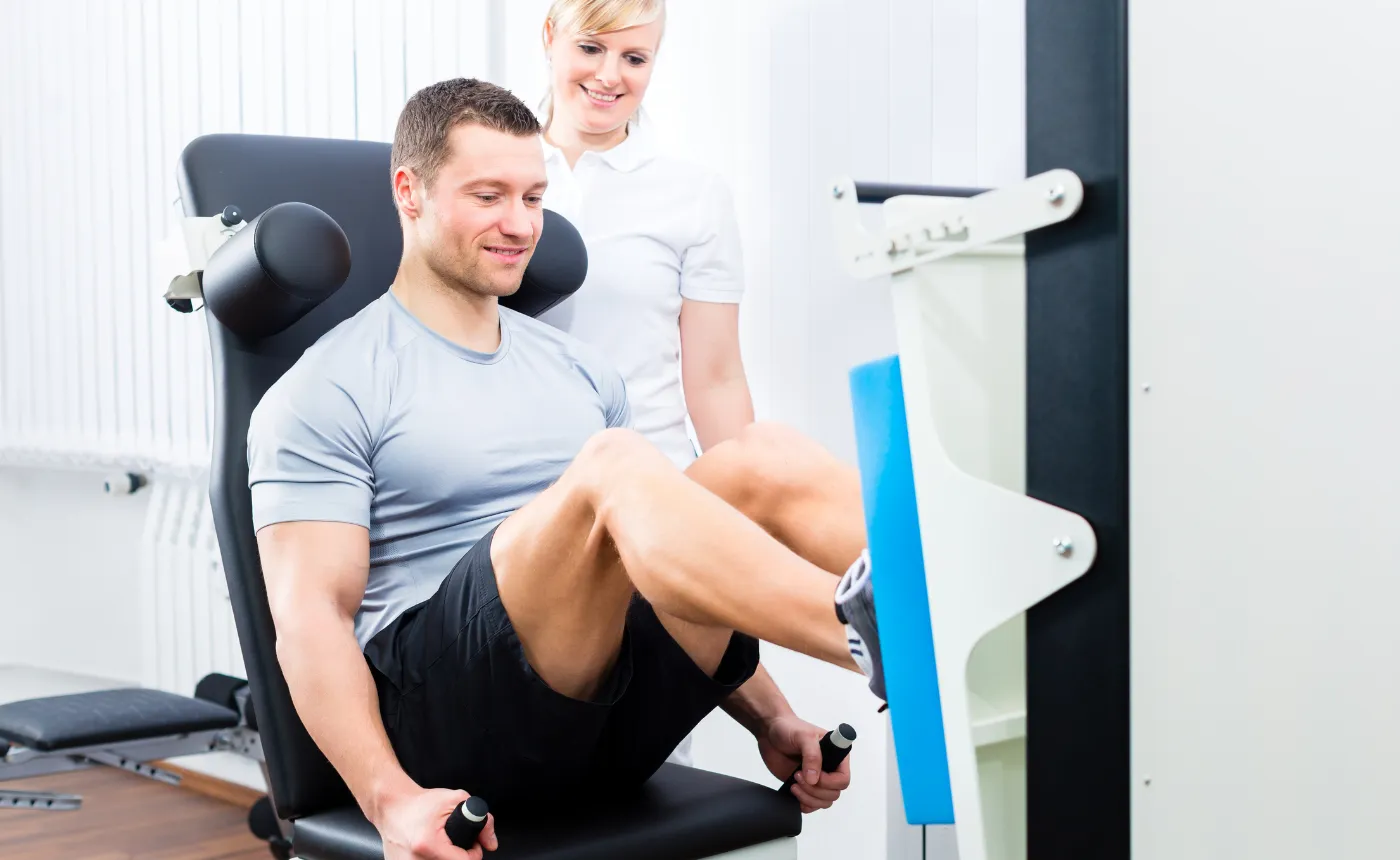
Sports Rehab
Return-to-play programs built around your sport, your position, and your timeline.
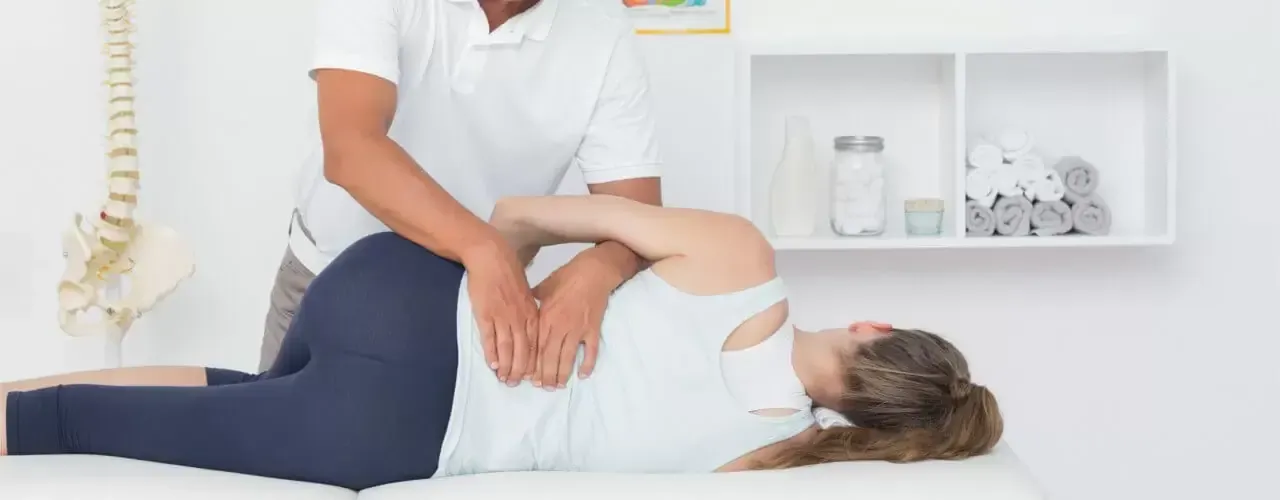
Back Pain & Sciatica
The most common reason people find us. We treat the cause of the pain, not just the symptom.