Knee Replacement Surgery Treatment in Rutherford
You have rested it, stretched it, and waited for it to pass. If the pain keeps deciding what you can and cannot do, one evaluation is where the plan finally changes.
Why knee replacement surgery happens, and why timing matters in recovery.
Total knee replacement is usually the last step after years of a joint that has simply worn out, not the first thing anyone tries. But the surgery is only half the outcome. What happens in the days and weeks afterward, how quickly you regain motion and reactivate the quad muscle, has a real and lasting effect on how your new knee performs. Recovery here is more time-sensitive than people expect, and getting started promptly is part of the plan.
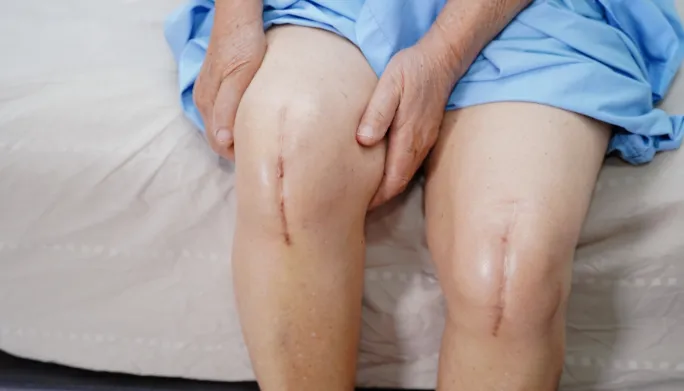
The most common reason people end up needing a total knee replacement is osteoarthritis that has progressed far enough that the cartilage cushioning the joint is gone. Without that cushion, bone grinds on bone, and the pain, swelling, and stiffness stop responding to bracing, injections, or conservative therapy. Replacing the joint surfaces is what restores pain-free movement at that stage.
A ligament tear, a torn meniscus, or a fracture from years or even decades earlier can set a knee up for accelerated wear long after the original injury healed. The joint compensates for a while, but the altered mechanics gradually damage the cartilage until replacement becomes the option that actually restores function.
Osteoarthritis is not the only condition that wears down a knee. Other joint degeneration can damage the cartilage and joint surfaces enough that replacement becomes necessary. Whatever caused the damage, the recovery process and its early priorities look largely the same.
After surgery, scar tissue begins forming almost immediately, and it can start limiting how far your knee bends and straightens within the first couple of weeks if it isn't addressed. This is why early physical therapy focuses so heavily on regaining extension and flexion right away rather than waiting for things to calm down first.
It is common for the quadriceps to essentially shut off after knee surgery, a protective response from the body that leaves the muscle weaker than it was before your symptoms ever started. That inhibition does not resolve on its own. It takes targeted activation work early in rehab to wake the muscle back up and rebuild the strength your knee needs to support your weight.
Swelling after knee replacement is expected, but left unmanaged it stiffens the joint and makes it harder to walk normally. Addressing it early, alongside regaining motion, is a big part of why the first few weeks of therapy are more time-sensitive than recovery from many other surgeries.
How physical therapy supports your knee replacement recovery.
Structured physical therapy after a total knee replacement is not optional, it is the standard of care, and patients who follow through with it get a measurably better functional outcome than surgery alone provides. In the first days and weeks, the priority is controlling swelling and getting your knee moving through its full range, both bending and straightening, before scar tissue has a chance to limit it. At the same time, we work on waking up your quadriceps, which are almost always inhibited right after surgery, through targeted activation exercises that rebuild the strength you need to support your own weight. Gait training comes next, walking with a walker, cane, or on your own as your therapist determines you are ready, so you relearn a normal walking pattern instead of compensating around a stiff or weak knee. From there, the plan progresses toward real function: managing stairs, getting up from low chairs and out of the car, and handling the daily movements the surgery was supposed to give you back. Every session is one on one, and the pace is set by how your knee is actually responding, not a generic timeline.
What to expect from your knee replacement recovery.
Evaluation & motion control
Your first visits focus on assessing your surgical knee, managing swelling, and beginning gentle work to regain extension and flexion. This early window matters because scar tissue can begin limiting motion within the first few weeks, so we do not wait to get started.
Hands-on treatment & strengthening
As motion improves, we add hands-on treatment and progressive quad and leg strengthening to rebuild the muscle that surgery temporarily shuts down. Gait training continues here too, working toward a normal walking pattern with or without an assistive device.
Advanced strength & return to activity
In the final phase, we push toward advanced strengthening, stairs, and the balance and endurance you need for daily life. The goal is a knee that holds up to real activity, not just one that moves well in the clinic.
My experience at Rutherford Physical Therapy was and will continue to be a plus in my recovery during my knee Replacement and after my upcoming Rotator Cuff surgery. John and the team have been incredibly supportive throughout.
Pain rarely travels alone.
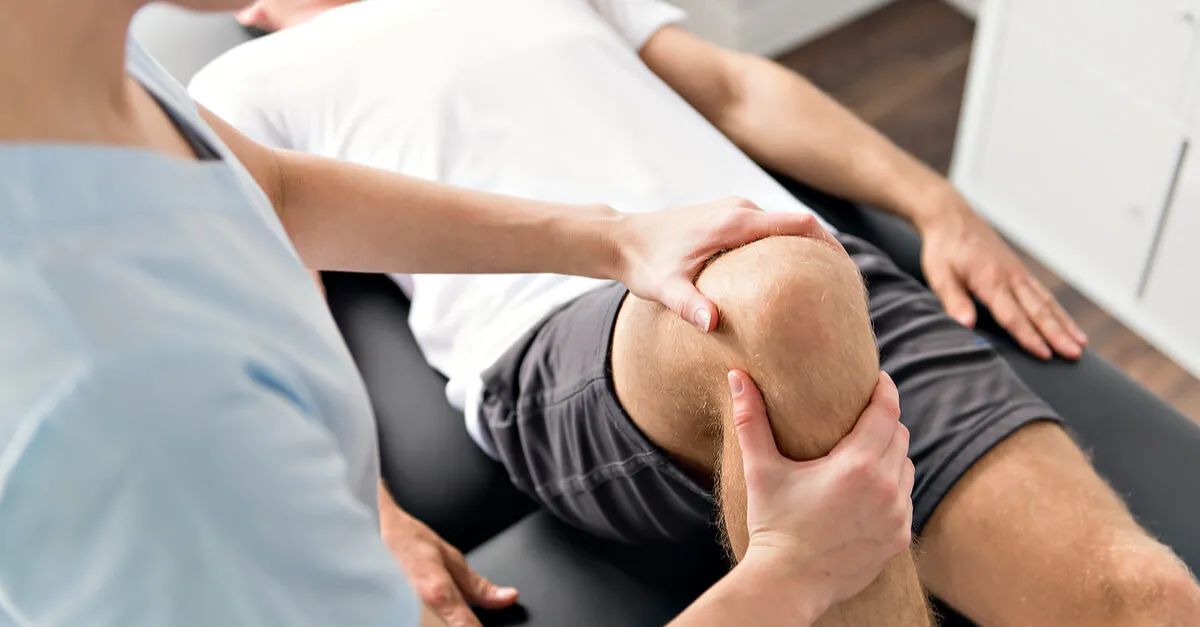
Hip & Knee Pain
When the hips and knees stop sharing load well, the low back often takes the hit. We treat the whole chain.
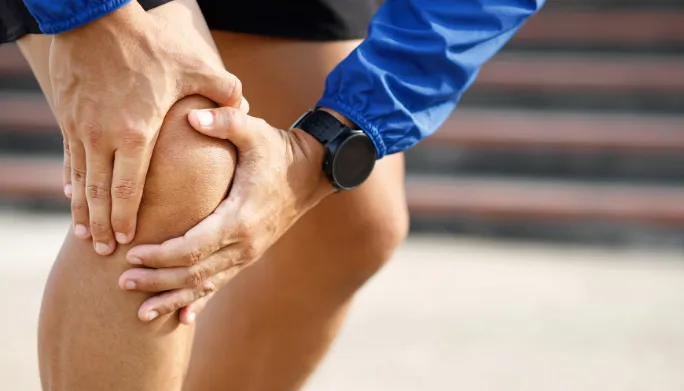
Joint Pain
Stiff, aching joints that limit your day. We restore the mechanics first, then build the strength.

Headaches
Tension that starts in the neck and spine can drive stubborn headaches. Relief starts with the source.