Plantar Fasciitis Treatment in Rutherford
You have rested it, stretched it, and waited for it to pass. If the pain keeps deciding what you can and cannot do, one evaluation is where the plan finally changes.
What causes plantar fasciitis?
Plantar fasciitis is inflammation and irritation of the plantar fascia, the band of tissue that runs along the bottom of your foot from the heel to your toes. The pain is usually worst with the very first steps in the morning or after you've been sitting for a while, eases up once you get moving, and can return after a long stretch on your feet. It rarely resolves on its own once the pattern behind it is left unaddressed. Physical therapy calms the irritated tissue and corrects the mechanics, footwear, and loading habits that keep re-aggravating it.
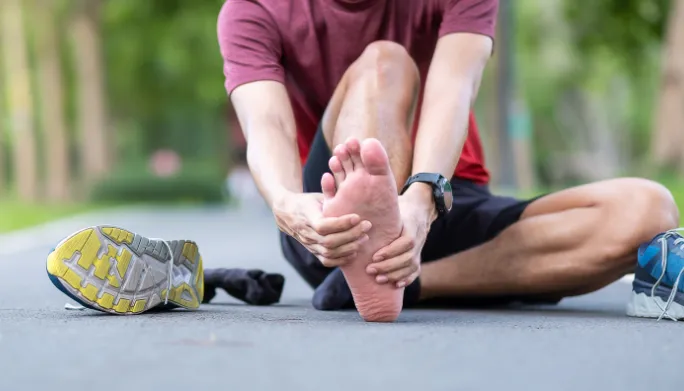
When your calf and Achilles are tight, they limit how far your ankle can bend and pull directly on the heel. That extra tension gets passed straight down to the plantar fascia every time your foot hits the ground.
The small muscles inside your foot are what hold your arch up step after step. When they're weak, the fascia ends up doing more of that job than it's built for, and it gets irritated.
Shoes with worn-out cushioning or no real arch support let your foot flatten a little more with every step. Over weeks and months, that adds up to constant extra strain on the fascia.
Ramping up your mileage, changing surfaces, or adding a new activity faster than your foot can adapt is one of the most common ways this starts. The fascia gets loaded faster than it can recover.
Standing or walking for hours at a stretch on concrete or tile, whether it's your job or your daily routine, keeps the fascia under constant load with little chance to rest and heal.
How your foot rolls and strikes the ground changes where load lands along the bottom of your foot. When that pattern is off, stress tends to concentrate right where the fascia meets the heel.
How physical therapy helps with plantar fasciitis.
Here is the part most people never hear: plantar fasciitis is a mechanical problem, and it usually responds well to the right plan without a boot, an injection, or surgery. Your evaluation looks at how you walk and stand, how your ankle and foot move, and where the real overload is coming from, because heel pain like this is rarely just about the heel. Early on, treatment focuses on calming the irritated fascia with hands-on and soft-tissue work, techniques like Active Release Technique or instrument-assisted soft tissue mobilization, paired with calf and foot stretching to take tension off the area. As the pain settles, we build strength in the muscles that actually support your arch and correct the gait mechanics that have been overloading the fascia with every step. We also work through the practical side, footwear and activity levels, so you can adjust your routine and stay on your feet without setting the healing back. You are not handed a generic sheet of stretches and sent on your way. Every session is one on one with your therapist, and the plan changes as your foot does. The goal is not just quieter mornings. It is a foot that can handle a full day of standing, walking, or running without the pain deciding your schedule for you.
What to expect from your plantar fasciitis recovery.
Evaluation
Your first visit is a full hands-on assessment of your foot and ankle. We check how you walk and stand, test your calf and foot flexibility, and pinpoint exactly what's overloading the fascia. You leave with a clear explanation of what's driving your pain and an honest timeline for recovery.
Hands-on treatment
Next we get to work calming things down. Hands-on and soft-tissue techniques like Active Release Technique or IASTM, along with calf and foot stretching, take pressure off the irritated fascia so it can start to heal instead of getting re-aggravated every day.
Progressive strengthening
As the pain eases, we rebuild. Strengthening the muscles that support your arch, correcting your gait mechanics, and adjusting footwear and activity levels are what make the improvement stick instead of returning once you're back on your feet full time.
Wonderful local physical therapy place. Went in for a recurring issue and the staff did an excellent job assessing what was going on. Feeling much better and know how to handle this going forward.
Pain rarely travels alone.
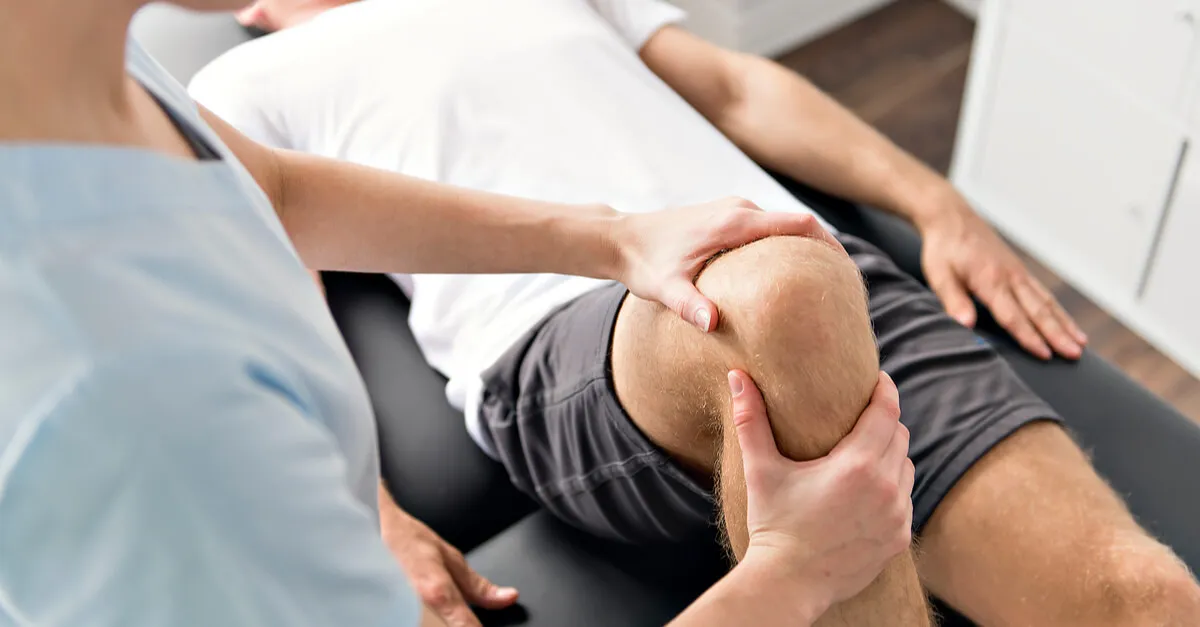
Hip & Knee Pain
When the hips and knees stop sharing load well, the low back often takes the hit. We treat the whole chain.
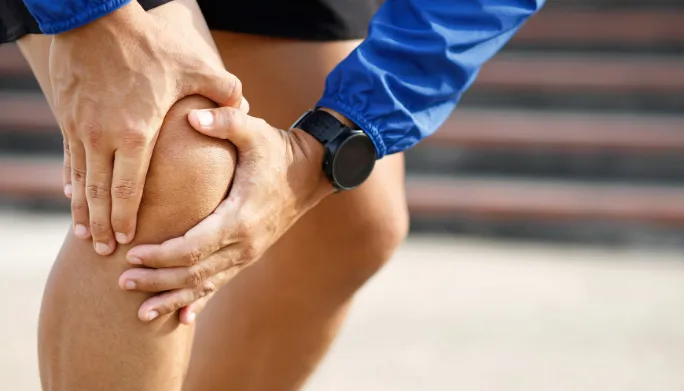
Joint Pain
Stiff, aching joints that limit your day. We restore the mechanics first, then build the strength.
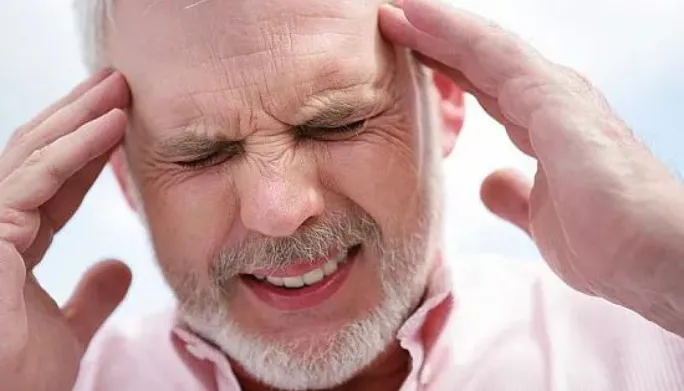
Headaches
Tension that starts in the neck and spine can drive stubborn headaches. Relief starts with the source.