Rotator Cuff Tears Treatment in Rutherford
You have rested it, stretched it, and waited for it to pass. If the pain keeps deciding what you can and cannot do, one evaluation is where the plan finally changes.
What causes rotator cuff tears?
A rotator cuff tear can turn simple things, reaching for a seatbelt, sleeping on your side, lifting a bag off a shelf, into something you have to think through first. The rotator cuff is a group of four muscles and tendons that hold your shoulder in its socket, and when one of them tears or becomes irritated, the shoulder loses the stability it needs to move without pain. Physical therapy rebuilds that stability, whether the goal is to avoid surgery altogether or to prepare the shoulder for it and rehab it afterward.
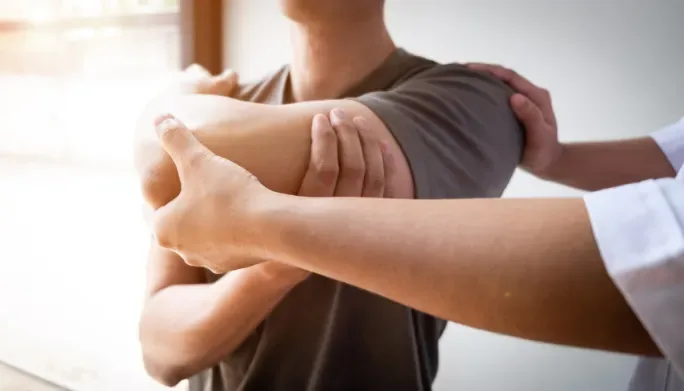
Some rotator cuff tears happen all at once, a fall onto an outstretched arm, a sudden pull while lifting something heavy, or an awkward catch. The tendon tears in that one moment, and the pain and weakness that follow usually show up right away.
Throwing sports, painting, working overhead on a ladder, or any job that has you reaching above your head for hours at a time puts the rotator cuff under constant strain. Over time that repetitive load can fray the tendon without a single injury you can point to.
Most rotator cuff tears do not come from one event. The tendon wears down gradually over years, the same way any tissue that gets used every day eventually shows signs of stress. By the time it starts to hurt, the damage has usually been building for a while.
The muscles around your shoulder blade are supposed to share the workload with the rotator cuff. When they are weak or not firing well, the rotator cuff ends up doing more than its share, and that extra strain is often what pushes a healthy tendon toward a tear.
Tendons lose some of their elasticity and blood supply as you get older, which makes them more prone to tearing even with normal, everyday movement. This is part of why rotator cuff tears become more common past your 40s and 50s.
Jobs and tasks that involve regularly lifting, pushing, or pulling heavy loads put repeated stress directly on the rotator cuff tendons. Combined with limited recovery time between demands, that stress adds up faster than the tendon can repair itself.
How physical therapy helps with rotator cuff tears.
Here is the part most people never hear: not every rotator cuff tear needs surgery. Conservative physical therapy is a legitimate first step for many partial tears and for general rotator cuff tendinopathy, and it is the standard rehab whether you end up having surgery or not. A skilled physical therapist starts with a hands-on evaluation of your shoulder to find out how significant the tear or irritation actually is and what your shoulder needs to recover. Early on, that means calming the pain, restoring the mobility you have lost, and getting the joint moving through its full range again with manual therapy and guided movement. As the shoulder settles, the plan shifts to progressive strengthening of the rotator cuff muscles themselves along with the surrounding scapular muscles that share the load, since a shoulder that moves well from the shoulder blade puts far less strain on the cuff. If surgery ends up being the right call for a full tear, this same strengthening work is what gets you ready for it beforehand and what rebuilds your arm afterward. Either way, you are not handed a sheet of generic exercises. Every session is one on one with your therapist, and the plan changes as your shoulder does.
What to expect from your recovery.
Evaluation
Your first visit is a full hands-on assessment of your shoulder. We test your strength, check your range of motion, and pinpoint which movements reproduce your pain to understand how significant the tear or irritation is. You leave with a clear picture of what is going on and an honest timeline for recovery.
Hands-on plan
Next we get to work restoring mobility and calming the pain. Manual therapy and targeted mobility work loosen the shoulder and take pressure off the irritated tendon so you can move through a full range again without guarding.
Progressive strengthening
As mobility returns, we rebuild. Progressive strengthening targets the rotator cuff itself along with the scapular muscles around your shoulder blade, teaching your shoulder to share load the way it is built to. This is the phase that restores full function and keeps the tear from becoming a repeat problem.
My experience at Rutherford Physical Therapy was and will continue to be a plus in my recovery during my knee Replacement and after my upcoming Rotator Cuff surgery. John and the team have been incredibly supportive throughout.
Pain rarely travels alone.
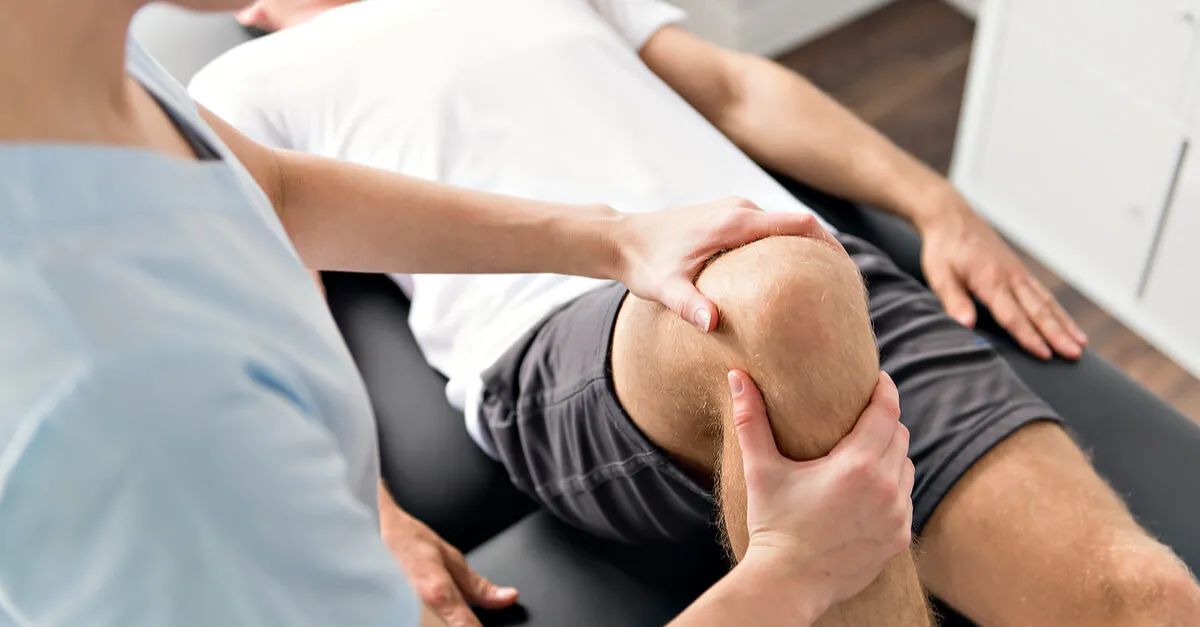
Hip & Knee Pain
When the hips and knees stop sharing load well, the low back often takes the hit. We treat the whole chain.

Joint Pain
Stiff, aching joints that limit your day. We restore the mechanics first, then build the strength.

Headaches
Tension that starts in the neck and spine can drive stubborn headaches. Relief starts with the source.