Stroke Treatment in Rutherford
You have rested it, stretched it, and waited for it to pass. If the pain keeps deciding what you can and cannot do, one evaluation is where the plan finally changes.
What a stroke affects, and why rehab matters.
A stroke happens when blood flow to part of the brain is interrupted, either from a clot or a bleed, damaging brain tissue and disrupting the signals that control movement, balance, coordination, and sometimes speech or sensation on one side of the body. What that looks like day to day depends on where the stroke occurred, how severe it was, and how the brain and body respond afterward. Structured, consistent physical therapy in the weeks and months that follow is one of the biggest factors in how much function a person regains, which is why starting rehab early and sticking with it matters so much.
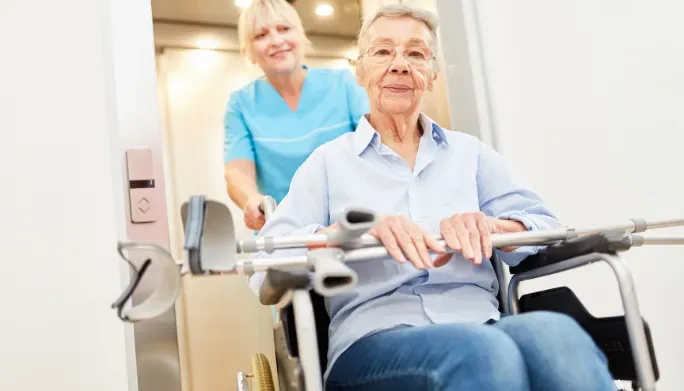
Many strokes disrupt the signals that control one side of the body, leaving the arm, leg, or both noticeably weaker or harder to move on command. Retraining that side is a central focus of physical therapy after a stroke.
Damage to the areas of the brain that coordinate movement can make standing steady, shifting weight, and reacting to a stumble much harder than before. This raises fall risk, so it's one of the first things we assess and work on.
Weakness, balance changes, and altered coordination often combine to change how a person walks, from a shorter, uneven stride to needing a cane, walker, or hands-on support. Rebuilding a safer, steadier way of walking is a major part of rehab.
Getting in and out of a chair, bed, or car safely can become slow or unsteady after a stroke, and a fall during a transfer is a real risk. Relearning these movements safely is one of the most practical early goals of therapy.
Depending on where the stroke occurred, some people also notice changes in speech, swallowing, or sensation on the affected side. We coordinate with your other providers as needed while our own sessions focus on movement, strength, and function.
No two strokes are the same, and how quickly and how fully someone recovers depends on the severity and location of the stroke, along with overall health. What stays consistent across cases is that early, regular rehab is strongly linked to better functional outcomes.
How physical therapy supports stroke recovery.
Physical therapy cannot reverse the injury to the brain itself, but it plays a major role in helping you regain as much movement and independence as possible. Treatment starts with a hands-on evaluation of your strength, movement, balance, and safety with everyday tasks. From there, your therapist works directly on retraining movement and rebuilding strength on the affected side, using guided repetition to help your body relearn patterns that were disrupted. We also focus on relearning safe transfers, like getting in and out of a chair, bed, or car, and on rebuilding a steadier, safer way of walking. Balance and coordination work runs through every phase, aimed at reducing fall risk as your mobility returns. Every session is one on one, and the plan adjusts as your strength and confidence change. There is no fixed timeline, since recovery looks different for everyone, but the goal is always the same: steady, measurable progress toward the most independence you can rebuild, with a therapist who knows your case guiding every step.
What to expect from stroke rehab.
Evaluation
Your first visit is a thorough, hands-on assessment of your current strength, movement, balance, and ability to manage daily tasks safely. We identify which side and which movements need the most support, and build a plan around where you are right now, not a generic script.
Hands-on, targeted treatment
Next we work directly on the affected side, guiding and retraining movement, practicing safe transfers, and beginning to rebuild coordination and control. Every exercise has a purpose, and we explain what it's targeting and why.
Strength, balance, and independence
As strength and control improve, we progress to more demanding strengthening, balance work, and functional training, walking, standing tolerance, and the daily tasks that matter most to you, so you can rebuild as much independence as possible.
Definitely recommend it to all friends and family. John and Lauren really care about there patients and help them out to go throw tough recovery with care and professionalism.
Pain rarely travels alone.
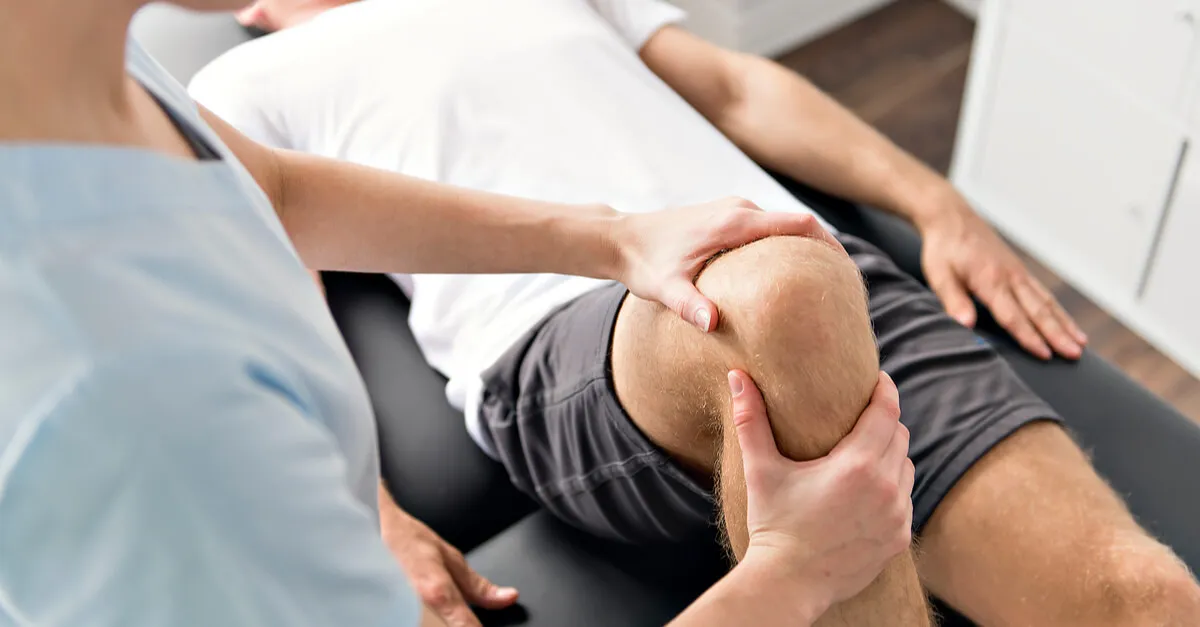
Hip & Knee Pain
When the hips and knees stop sharing load well, the low back often takes the hit. We treat the whole chain.
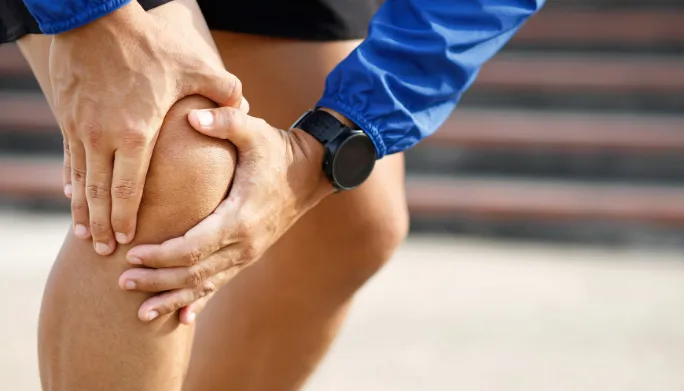
Joint Pain
Stiff, aching joints that limit your day. We restore the mechanics first, then build the strength.
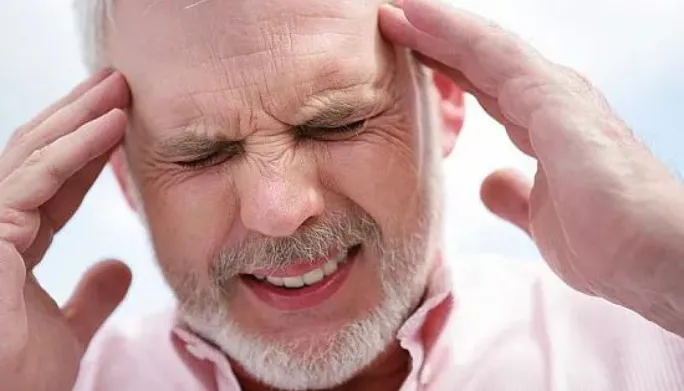
Headaches
Tension that starts in the neck and spine can drive stubborn headaches. Relief starts with the source.