TMJ/TMD Treatment in Rutherford
You have rested it, stretched it, and waited for it to pass. If the pain keeps deciding what you can and cannot do, one evaluation is where the plan finally changes.
What causes TMJ/TMD?
Jaw pain that shows up out of nowhere, a clicking sound every time you open your mouth, headaches that seem to start right at your temples for no clear reason. TMJ/TMD is rarely just about the joint itself. It usually comes down to how hard your jaw muscles are working, how much tension they are carrying, and how your neck and upper back are holding up through the day. Once we know what is actually driving your case, we can treat that directly instead of just managing the ache.
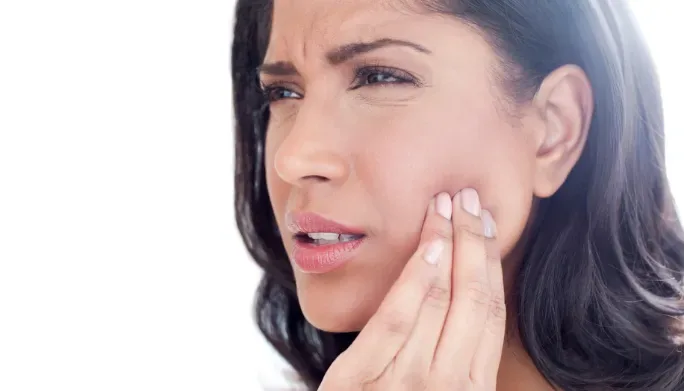
Many people clench their jaw or grind their teeth without ever realizing it, especially overnight while they sleep. It is often tied to stress, and the muscle tension builds for hours before you wake up. The result is a sore jaw or a headache with no obvious cause.
The muscles that move your jaw are closely connected to your neck and upper back. When your posture pulls your head forward for hours at a desk or looking at a phone, those muscles stay under constant strain, and your jaw ends up carrying part of that load.
Talking for long stretches, wide yawning, or repetitive jaw movement can irritate the joint itself, especially once the muscles around it are already tight and not sharing the work evenly.
Gum feels harmless, but constant chewing keeps the jaw muscles working nonstop with no real rest. Over time, that repetitive load is enough on its own to trigger pain and clicking.
A habit as small as propping your chin on your hand at a desk puts steady, one-sided pressure on the jaw joint. Do it for hours a day, most days, and that pressure adds up.
Stress does not just settle in your shoulders. It shows up in the jaw too, tightening the same muscles you use to clench and grind. Managing that tension is often just as important as treating the joint directly.
How physical therapy helps with TMJ/TMD.
Here is the part most people never connect: your jaw pain and those headaches at your temples usually share the same source, and it is rarely the joint alone. A thorough evaluation looks at your jaw, your neck, and your posture together, because the muscles that move your jaw are directly tied to how your neck and upper back are holding up. From there, treatment is hands-on. Manual therapy to the jaw muscles, and to the neck and upper back muscles feeding into them, eases the tension behind your clicking, popping, and limited opening. As that tension settles, we work on the habits keeping it going, clenching or grinding at night, chewing gum out of habit, resting your chin on your hand at your desk. None of this requires guesswork or a mouth guard as the only answer. It requires understanding exactly what is pulling on your jaw and correcting it directly, so opening your mouth, chewing, and getting through your day stop being something you have to think about.
What to expect from your TMJ/TMD treatment.
Evaluation
Your first visit is a full hands-on assessment of your jaw, neck, and posture together. We check how your jaw opens and moves, feel for the muscles carrying the most tension, and identify whether clenching, grinding, posture, or habits like gum chewing are driving your symptoms. You leave with a clear explanation of what is happening and why.
Hands-on treatment
Next we go to work on the tension itself. Manual therapy to the jaw muscles and the neck and upper back muscles connected to them eases the clicking, tightness, and headaches at the source. Gentle jaw mobility work restores a fuller, more even opening.
Mobility and habit changes
As symptoms calm down, we build lasting control. Progressive jaw mobility exercises and posture work keep the surrounding muscles balanced, and we help you recognize and change the habits, clenching, grinding, or resting your chin on your hand, that brought the pain on in the first place.
The staff at RPT is wonderful, starting with Cathy, the office manager that always greets you with a smile and the therapists that LISTEN to what your issues are and work one on one to improve your quality of life.
Pain rarely travels alone.
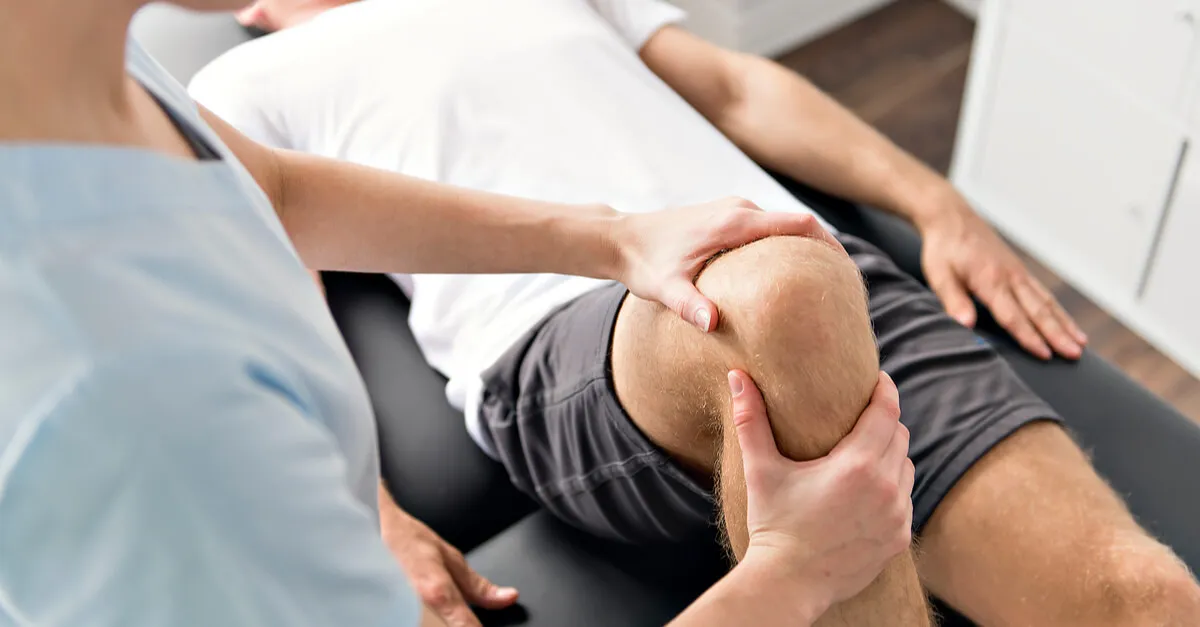
Hip & Knee Pain
When the hips and knees stop sharing load well, the low back often takes the hit. We treat the whole chain.

Joint Pain
Stiff, aching joints that limit your day. We restore the mechanics first, then build the strength.
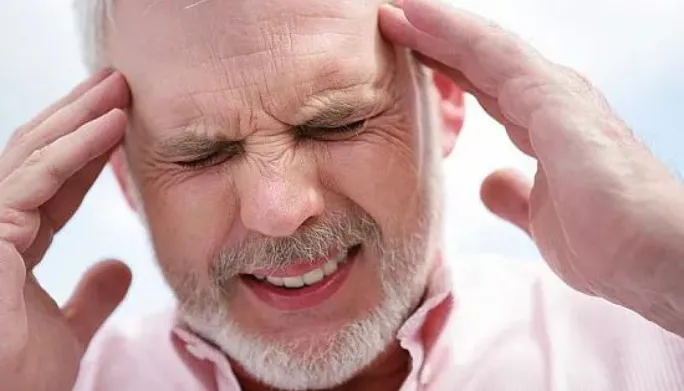
Headaches
Tension that starts in the neck and spine can drive stubborn headaches. Relief starts with the source.